
LSZH and PVC cable look identical on a drum and behave completely differently in a fire. Three tests explain the difference, and only one of them is about burning.
Three different properties, often confused
Flame retardance, smoke density and halogen content are separate properties measured by separate tests. A cable can be highly flame retardant and still produce dense black smoke and hydrochloric acid.
LSZH addresses the second and third: the sheath contains no halogens, and the compound is formulated so that combustion produces limited smoke and non-corrosive gas.
Smoke density: IEC 61034
The test burns cable in a chamber and measures light transmittance. A typical LSZH requirement is at least 60 % transmittance; PVC cable is far below that.
In practice this is the property that decides whether people can see an exit sign in a smoke-filled corridor, and whether fire-fighters can work inside the space.
Halogen content: IEC 60754
The test measures hydrogen chloride and the acidity and conductivity of combustion gases. A common specification is HCl below 0.5 %, pH of at least 4.3 and conductivity no more than 10 µS/mm.
This is what protects steelwork, switchgear and electronics in adjacent rooms. Hydrochloric acid attacks metal surfaces and circuit boards long after the fire is out.
What LSZH does not do
LSZH does not stop a cable burning, and it does not keep a circuit alive. For circuit integrity during a fire you need a fire resistant construction with a mica barrier tested to IEC 60331 or BS 6387.
It also does not improve current rating. The electrical performance is governed by the conductor and insulation, not the sheath.
The cost question
LSZH compounds cost more than PVC and are generally softer, so the cable typically carries a 20–40 % premium and needs slightly more care during installation.
The premium is justified when the fire strategy, the insurer or the client specification requires it: tunnels, metro, hospitals, airports, high-rise buildings and confined plant areas. For a dry industrial workshop with a straightforward escape strategy, PVC remains a rational choice.
Request datasheet & price
Send the project specification and we will confirm construction, standard and delivery schedule. Samples for approval can be arranged.
Get a Quote WhatsApp UsRelated reading
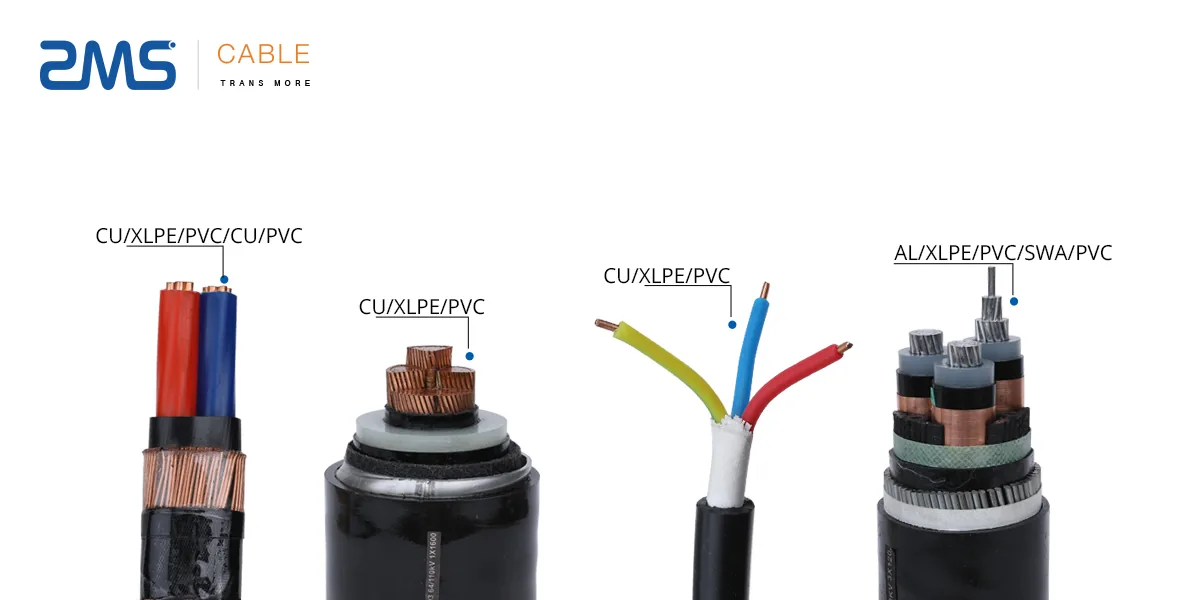
How to Specify Low Voltage Power Cable for an Industrial Project
A practical six-step method for specifying 0.6/1kV power cable: voltage, load and derating, cores, conductor class, insulation and sheath, route protection.
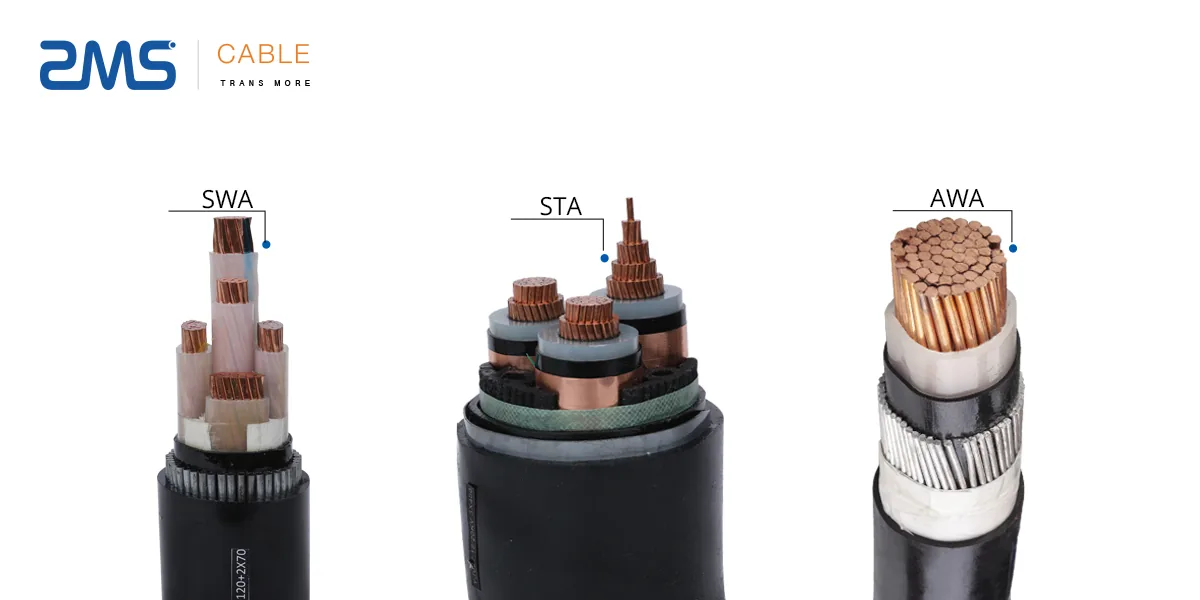
Armoured or Unarmoured: Choosing the Right LV Cable Route
How to choose between armoured and unarmoured low voltage cable by route: direct burial, ducts, trays, vertical risers, and what each construction costs.
Specifying cable for a project?
Send the schedule and the route description. We will confirm the construction and quote factory-direct.
The sheath choice is a separate decision from the conductor and insulation. The LSZH LV cable carries the same copper conductor as the standard PVC / XLPE LV power cable and differs only in the compound; where the circuit has to keep working during a fire rather than simply burn cleanly, the fire resistant LV cable is the construction to specify.